

The F012 is our most popular model. This local flow rate indicator / totalizer displays the actual flow rate, total and accumulated total. Total can be reset to zero by pressing the CLEAR button twice. The accumulated total can register up to 11 digits and is backed-up in EEPROM memory every minute, just as the […]


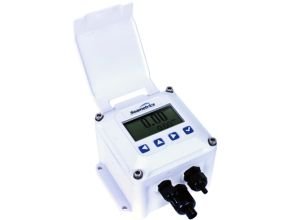
The FT430/440/450 flow computers are microcontroller-based indicator/transmitters that interface with pulse output flow sensors to compute and display flow rate, and flow total, and also generate output signals representing flow. Rate & Total Indicator : Simple Setup DC Powered (FT430), Loop Powered (FT440), or Battery Powered (FT450) Remote or Flow Sensor Mounted Indicator Rugged Plastic […]
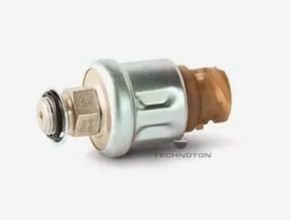
Technoton GNOM DDE Axle Load Sensor is used to determine the axle load in vehicles equipped with air suspension in transport telematics systems. A pressure sensor measures the pressure in the vehicle’s pneumatic system and transmits data as an analog signal to the telematics terminal. It is recommended to use the online terminals gateway CANUp […]

Technoton GNOM DP Axle Load Sensor is designed for measuring axle and cargo load on vehicles with leaf spring suspension. GNOM DP integrates into a fleet monitoring system and transmits data as an analog signal. The tracking device converts this signal into load mass value according to the calibration table. GNOM DP position sensor is […]

Siko AP05 Electronic Position Indicator integrated Fieldbus interface or IO-link interface. The AP05 position indicator guides the user intuitively to the correct machine setting in the case of product or format change. The optimized backlit display indicates target values and actual values straight to the point. Two LEDs show the machine operator precisely the direction […]
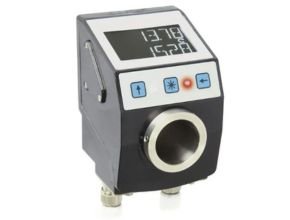
Siko AP10 Electronic Position Indicator with a communication interface is used for monitored format adjustment to reduce setup times and increase machine efficiency. Readability is optimized for intuitive user prompting: The backlit display clearly shows the setpoint and actual value, and the two LEDs clearly indicate the direction in which the adjustment must be made. […]