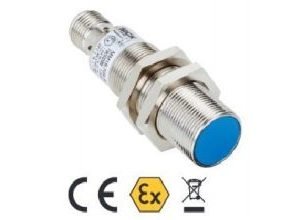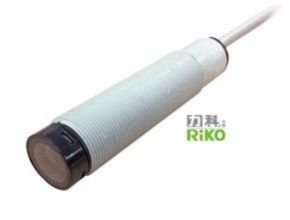
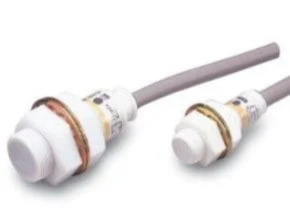
Chemical resistant Proximity Sensor E2FQ Omron Chemical resistant Proximity Sensor use high-frequency oscillation. They resist heat, chemicals, and water better than Rectangular Sensors. They are available in both shielded and unshielded models. E2FQ Omron Chemical resistant Proximity Sensor Components detect, measure, analyze, and process various changes that occur on productions sites, such as changes in […]
Description MM NAMUR magnetic proximity sensors provide large operating distances that can reliably detect magnetic objects. Magnetic prox-imity sensors are resistant to dust, heat and vibration, making them ideal for use in harsh environments – even highly explosive at-mospheres. By using magnetic conductors, these sensors are able to reliably detect objects over greater distances. The […]
Feature Class 1 laser Small Light Spot 0.5 mm (range of 100mm One button teaching Protection rating IP67 Specification NPN NO + NC LK18-DU30-B3 / LK18-DU30-B3-K1 PNP NO + NC LK18-DU30-P3 / LK18-DU30-P3-K1 Sensing type 300 mm (axial optic focused 100 mm) Emission red laser diode (650 nm) class 1 laser (IEC60825-1) Minimum detectable object 0.5 mm […]
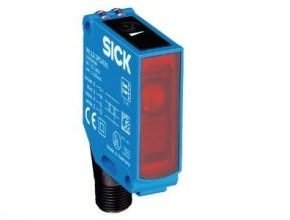
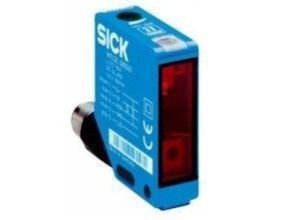
Description The Sick W12L-2 series of photoelectric proximity sensors features laser technology that is optimally designed for individual applications. These sensors provide reliable object detection, fast response times and are enclosed in a rugged metal housing, which is ideal for use in all types of industrial applications. At a glance Best-in-class retro-reflective laser performance in […]
Description Sick MM magnetic proximity sensors provide long sensing ranges that can reliably detect magnetic objects. Magnetic proximity sensors are resistant to dust, heat, vibrations and other harsh environments. The MM magnetic sensors are enclosed in a cylindrical housing and are available in sizes MM08, MM12 and MM18. Benefit Non-contact operation eliminates interference from dirt, […]
Description Photoelectric proximity sensors are used to sense the presence of objects or materials across a broad range of industrial and manufacturing applications. The key to their operation is that they don’t require physical contact with the target or object being sensed. This is why they’re often called non-contact sensors. One of the most common […]